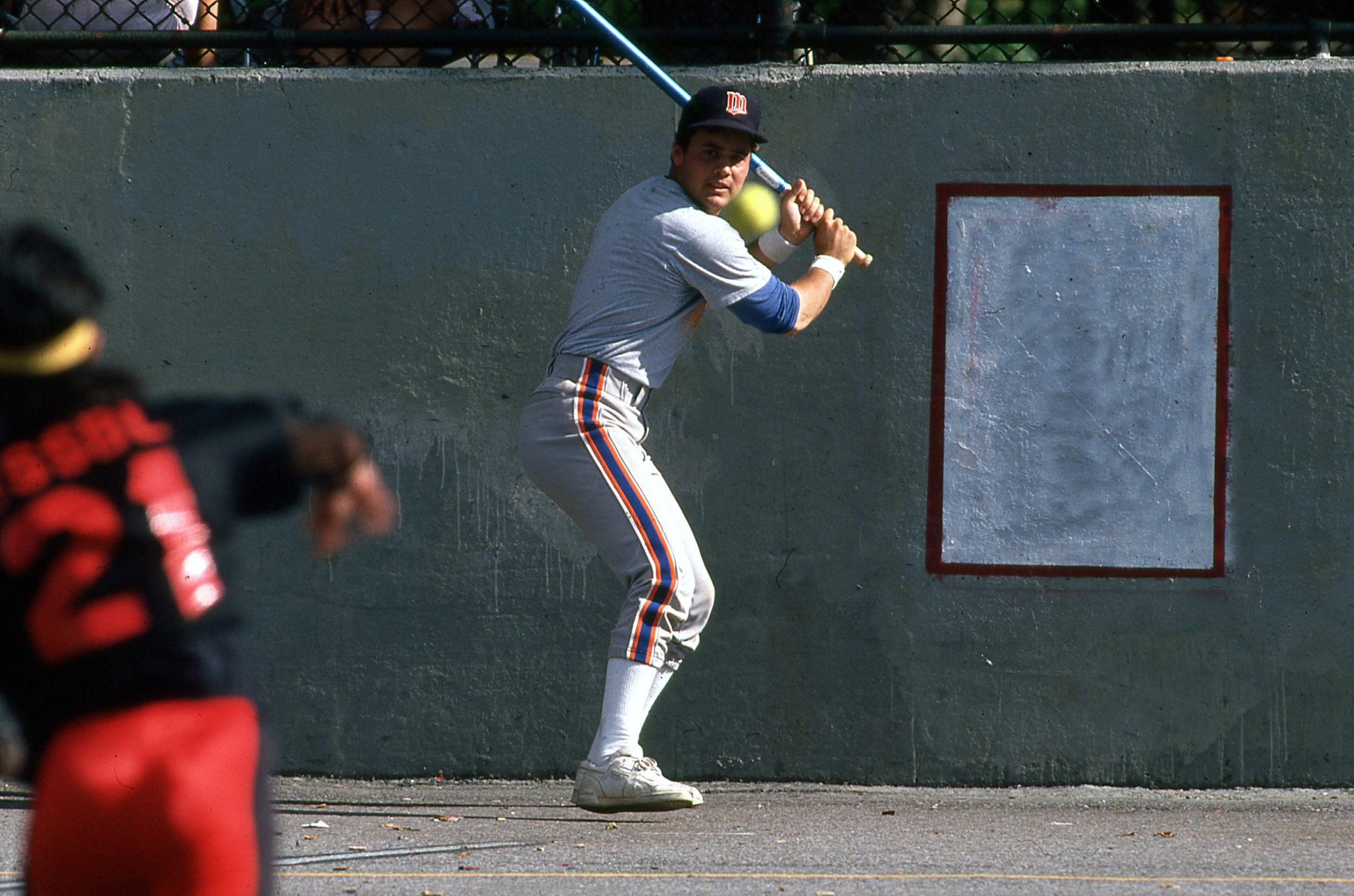
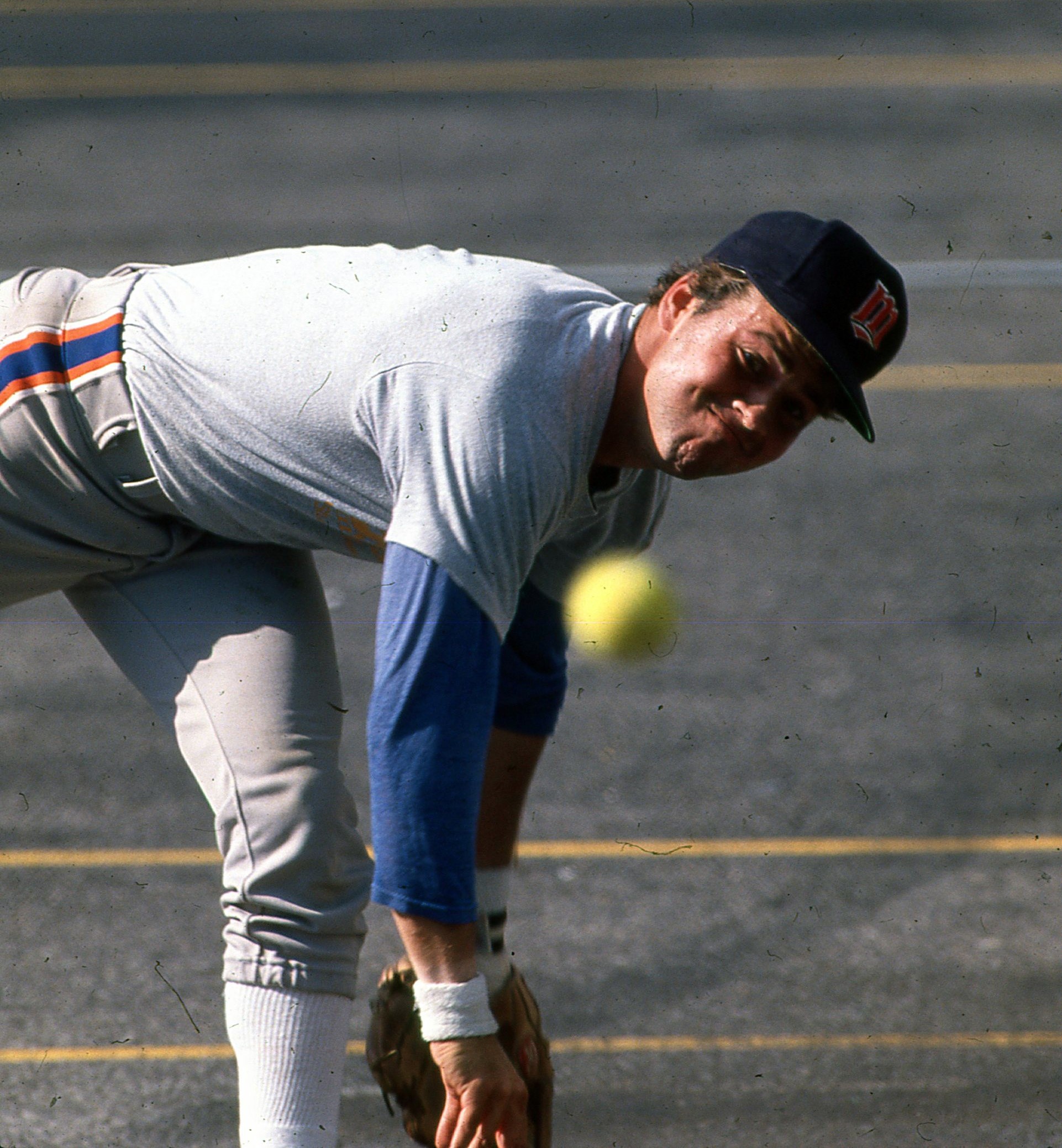
Stick-ball Is Back. And It’s Bigger Than Ever.
We’re rekindling a street-born sport that shaped generations. Whether you grew up playing or just discovered it, this is your moment to pick up a stick-ball bat, grab a ball, and be part of the revival.
A Game That Never Gave Up
Stick-ball was born from the streets and raised by everyday heroes. It’s a game built on grit, imagination, and community. Kids turned broomsticks and mop handles into stick-ball bats and curbs into bases, creating a tradition that
spans decades.
Even as times changed and stick-ball was chased off the streets, it kept its heartbeat alive in cities, towns, and schoolyards through organized leagues. It’s more than nostalgia. It’s a movement. And you’re part of it.
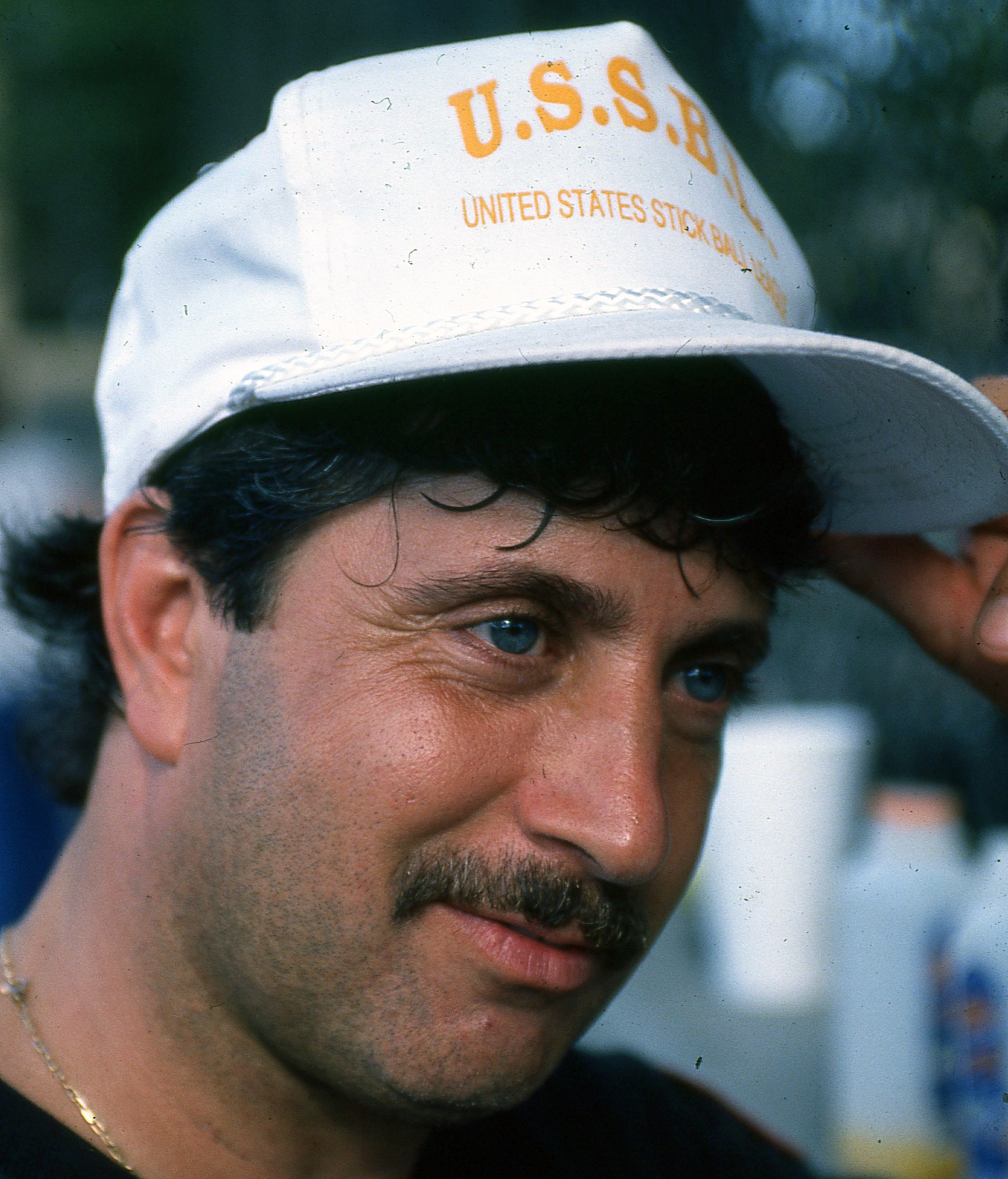
The Vision of Ron Babineau
The modern stick-ball revival has a name: Ron Babineau, former Commissioner of the United States Stick-ball League. His version of ‘FastPitch Stick-ball’ transformed a neighborhood pastime into a competitive sport—faster, sharper, and more thrilling.
In 1984, Ron took the childhood game he loved and gave it structure, strategy, and serious heart. He wrote the official rulebook, designed a scoring system, and launched a full line of colored stick-ball bats and signature low-felt tennis balls made for the league by Dunlop. But more than that, he built a community.
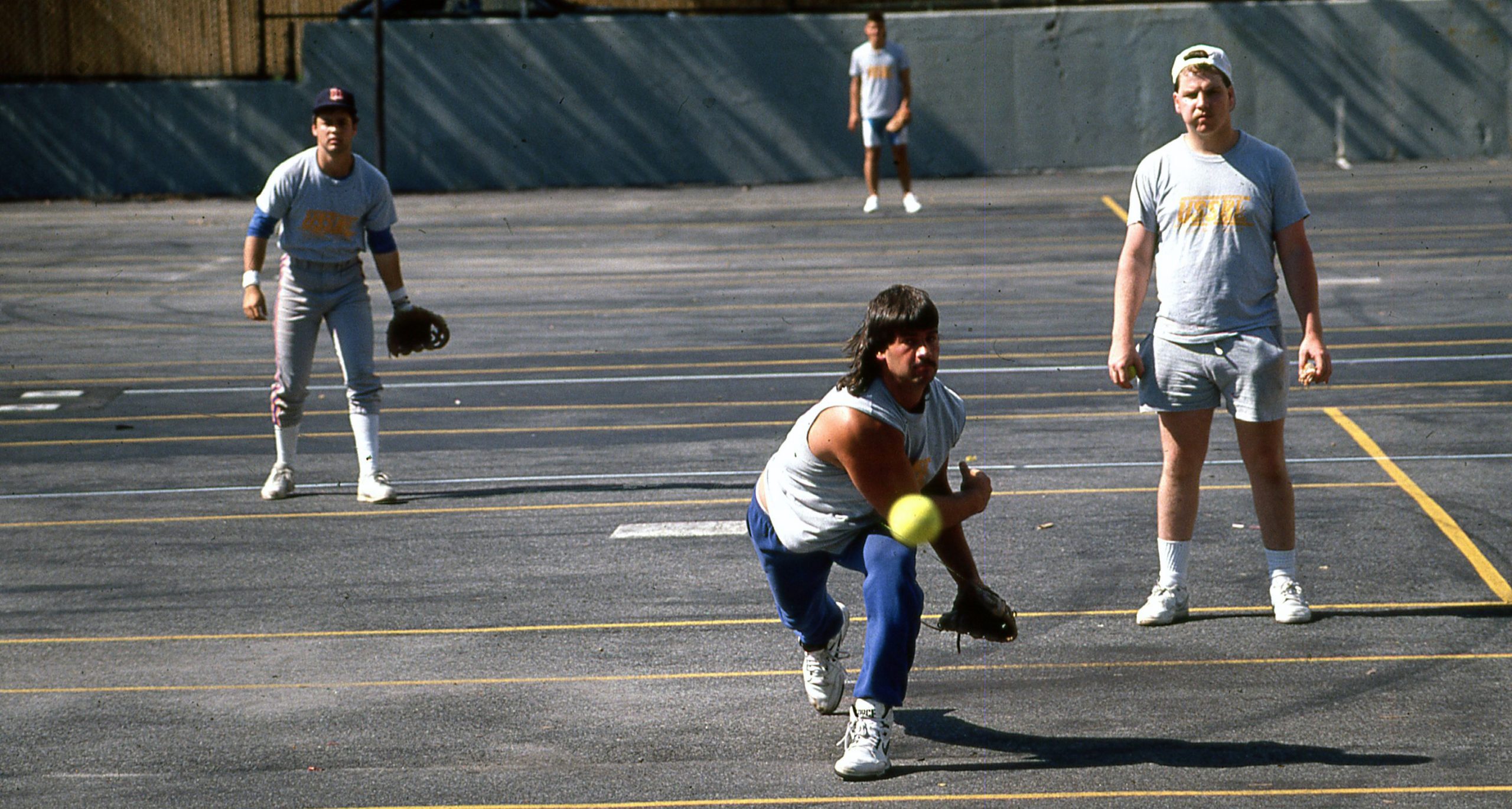
What started with 27 teams exploded into over 260 in just five years, thanks to Ron’s relentless passion and a lineup of national sponsors who believed in his dream. Teams were equipped with matching t-shirts, caps, patches, a rulebook, a score pad, insurance, and an 18-game schedule. Ten team leagues played week after week at a level never seen before.
Before email chains, texting, or apps, Ron’s league brought players together from all over, united by the love of the game. It wasn’t just stick-ball. It was the highest caliber of schoolyard competition on the planet, rooted in joy, pride, and connection.
His legacy lives on in every game played today and every player who picks up a stick-ball bat and joins the movement.
Featured Products
Gear Up, Play Hard, Keep the Tradition Alive
Stick-ball isn’t just a game—it’s a memory in motion. Maybe you grew up playing it in the street with friends. Maybe you’re just discovering it now and curious about the buzz. Either way, it all starts with the right gear.
We’ve pulled together our favorite essentials—the stuff we trust, use, and recommend—to help you bring the game to life wherever you are. Whether you’re leading a league or starting a pickup game at the park, these are the basics that keep it fun, fast, and fierce.
Stick-ball Kits
This is your all-in-one starter pack for
serious fun.
Each stick-ball kit includes:
- One high-quality, hardwood stick-ball bat
- Three regulation, low-felt balls
- A regulation score pad
- A rulebook
- Eight cones
- A strap to keep it all together
It’s a simple setup with big-time potential. Perfect for players of all skill levels looking to jump in without piecing gear together
from scratch.
Stick-ball Bats
Built to last and balanced for action, our hardwood Stick-ball bats bring consistency to your game. With a sturdy feel and smooth grip, they’re designed to move fast in your hands.
These Stick-ball bats have been tested in league play and casual matches alike. If you’re ready to play with confidence and keep your gear dependable, this is where it starts.
Balls
Our low-felt Stick-ball Balls are made for faster fastballs, curvier curveballs, and sharper sliders, sinkers, and knuckleballs to keep batters on their toes.
They’re built to hold shape, keep their bounce, and stay visible in grass or gravel. Whether in a fast-paced game or just tossing it around with friends, you’ll feel the difference in how it plays over an ordinary tennis ball.
Score Pad
Keep track of every hit with our official Score Pad. It features 35 easy-to-read pages and enough room to record 35 full-game stats for casual and competitive play. Whether you’re coaching a team or just trying to settle who actually won, this Score Pad helps keep everything clear and fair.
It’s the thing that makes a big difference on game day because remembering the score shouldn’t be the hardest part of the match.
Cones
Stick-ball can happen just about anywhere, and these cones make that possible. Bright, durable, and easy to pack, they let you set up your fair/ foul lines wherever you’ve got open space. Perfect for your competitive play.
Turn a parking lot, a schoolyard, or a field into your personal stadium in seconds.
Official Rulebook
The U.S.S.B.L. official Rulebook, updated from the 1984-1990 editions, which can be found in the National Baseball Hall of Fame Library, covers everything from field setup to specifications. Written in a clear, concise format with diagrams and color pictures, it makes learning to play
stick-ball easy.
It’s part guide, part history, and all about keeping the game fair, fun, and consistent. Whether you’re hosting your first game or organizing a league, you are equipped with knowledge of the original stick-ball organization that was in existence from 1984 to 1992.
Legacy of the Game
The Spirit of Stickball: A Game That Transcends Generations
Stick-ball is more than just a game. It’s a tradition that’s been passed down through generations, shaping communities and inspiring future stars. For many, it’s a symbol of simpler times—of childhood summers spent on city streets, of friends gathering to play just for the joy of it. At the heart of that tradition is a story that connects the streets of various cities to the brightest lights of the major leagues. This type of story belongs to none other than Willie Mays.
Another Major Leaguer with stick-ball history was Larry Doby, a 7-time all-star catcher from the Cleveland Indians. Doby was the first African American to break the color barrier in the American league. Jackie Robinson held this title in the National League. Doby said he played stick-ball in the south and used smashed soda cans as bases. He later went on to say he learned that many Major Leaguers played stick-ball in their journey to Major League Baseball.
Rob Babineau, former Commissioner of the U.S.S.B.L, played stick-ball with former Major Leaguer Peter Falcone, who was drafted by the St. Louis Cardinals, traded to the San Francisco Giants, and later to the New York Giants.
Willie Mays and the Streets of Harlem
Between 1951 and 1954, a young Willie Mays made his home on 155th Street in the Bronx. At the time, he was just a few years into his professional career with the New York Giants, playing just a short distance from his apartment and the historic Polo Grounds. But long before he became a Hall of Fame legend, Mays was a part of his community, and it wasn’t just his baseball skills that made him a local hero. It was his connection to the street game of Stick-ball. He was quoted as saying, “You don’t get to hit 660 home runs without learning to hit the breaking ball. And I learned to hit the curve ball while playing stick-ball with the youngsters in Harlem.”
Every day, the neighborhood kids would gather, knocking on Mays’ window, calling for him to come out and join in their game of stick-ball. With a mop handle as a bat and a rubber ball, Mays would step out into the street, joining the kids for a casual game that quickly turned into something legendary. His incredible talent was on full display even in these street games, and it wasn’t long before the photographers and writers started to show up. They would line the streets, snapping photos of Mays swinging the bat and sending the rubber ball flying through the air, amazed at how far it would travel. Afterward, Mays would buy the children ice cream. Later, it happened so often that Mays got the photographers and writers to treat the ice cream.